Thursday, 20 October 2016

Rock Genre


Rock music originated as "rock and roll" in the United States in the 1950's, and developed into a range of different styles in the 1960's. It later became popular in the UK. Rock was heavily influenced by Rhythm, Blues and Country music. Some conventions of the rock genre in music videos are that the artists always tend to wear black or dark clothing, with a messy, spiked hairstyle. Tattoos and piercings are often found among rock music artists. Many rock artists can also be found wearing dark make-up, usually around the eyes (eyeliner). A majority of rock artists tend to be in a band who play instruments, e.g. drums, bass and guitar.
The style or colour of clothing worn in the video can depict the mood of the characters. This is commonly focused on women within the music video, and can be represented as the 'male gaze' which attracts more male attention and increases its popularity. Within the music video; Viva la Gloria (little girl) by Green Day, the girl doesn't speak, her actions instead are her voice, one of the reasons she is not speaking is because she is portrayed as troubled, which is a form of iconography. The music video also conforms to the male gaze in music by using a girl instead of a boy.


This hand gesture is a very conventional image of the rock genre.
Image result for rock hand symbol


Rock band photo-shoots are often done in hierarchical order. The main singer always being at the front and the drummer at the back. This often resembles how they perform on stage.  Strobe and LED lighting is often used at concerts in the rock genre, for music videos the lighting is often quite dark to resemble the narrative of the song or that particular genre, in this case; rock. The music videos generally have a narrative/story to them, there is also normally a scene where the band is all playing together, like in concert.


Kerrang is a famous magazine devoted to the rock genre, the magazine is one of the best selling magazines and appeals to a huge audience, mainly between the ages of 15-30. The main artist is usually in front of Kerrang masthead. The colour scheme is often darker to represent to the genre more.
Image result for kerrang


Electronic Dance Music Conventions

Electronic dance music (EDM) started to make an impact in the late 1980's and developed from disco, tech and house music in the 1970's. So it is a relatively new genre.
 The setting of EDM tends to be in lively places such as clubs or popular 'party' tourist locations, for example; Ibiza. Places like this also appeals to the demographic of people that would listen to this particular genre, e.g. Teenager/young adults.
EDM music videos often shows lots of people, including a DJ, so the costumes worn can range depending on the narrative, or the style of video. For example, if the setting was a holiday destination like Ibiza, people would be wearing beach clothing, brighter colours etc. and if the setting was a club, people would be generally more smartly dressed, for example, shirts/jeans. The EDM genre in music videos tend to use more props as they don't usually follow a strong narrative, therefore can play around with more props to make the music video more entertaining, in this case, speakers, flashing lights etc.
Image result for electronic music


Montages of shots are used quite often in EDM music videos which matches the beat of the song, long shots and fish eye lens shots are used to match the vibe of the video. The narrative of EDM music videos don't seem to be very strong and more about 'raves', dancing and nightclubs.  Holiday destinations like Ibiza and Zante attract a lot of young adults/teenagers as the EDM genre is very popular.


The editing in EDM music videos is vital as it gives the audience a feel of the party/rave atmosphere, lots of rapid (fast paced) editing is used to match the beat to really capture the feeling of the genre.


An example of an extremely popular EDM artist is David Guetta, an example of one of his music videos with very fast paced editing is Feat. Kelly Rowland - When Love Takes Over: 


Image result for electronic music

Image result for electronic music

Country Music Genre Conventions

Most country songs have a simple melody with a deep meaning or a social message. The lyrics usually have a storyline running through the song. Music videos therefore, in the country genre should enhance or reinforce the storyline in order to bring it to life visually. Commonly country music videos follow a narrative in order to portray the story line empirically.


The country music artist is expected to feature in the music video and is commonly cast as the main character. Most country singers write their own material and there songs are inspired by real life experiences. Therefore, it is necessary for them to feature in the music video to help the audience relate to them.


Many people stereotypically associate the country genre with trucks, the country side, cowboy boots etc, with country music so conventionally there has to be some sort of natural element to the video.


Image result for country music stereotypes


If the music video beaks away from the narrative this usually reflects the idea that the song has no particularly story line. In trade for the narrative approach, video directors may use concept videos or montages. In this case the video mainly focuses on the artist with a variety of other commonly, country artists have music gigs and synchronized live performances in the music. For example; Footloose by Blake Shelton takes place at a cinema where Blake Shelton Simply stands on the back of his truck performing. https://www.youtube.com/watch?v=1mzpuUzLKx4

Image result for blake shelton

In country music videos, most of the camera shots tend to be medium shots as this allows the audience to see the performance of the artist. This allows the audience to view the emotion behind the song as the artist performs. Long shots are also used to establish the area and style of the place so the audience gets an idea of the iconography of the band/artist. Close ups are also commonly used to show the audience that the artist can actually sing and perform, also sometimes if there is a narrative the close ups show the emotions felt by the artist.

The mise en scene usually found in country would be very natural ambient lighting and some very bright. The girls usually wear dresses, not jeans. The boys in the music videos are either really casual or really smart depending on the direction the video is going in. With the country genre there is normally a narrative within the video, so props aren't often used but can be if the music video mainly focuses on the performance, rather than the narrative.
Image result for country music videos


Pop Genre Conventions


Pop Genre

The main stereotype of pop music is that it is based on partying, clubbing, dancing and enjoying life. This is so that the music appeals to its target audience which are teenagers. Another stereotype used in pop music is that a lot of imagery is over sexualised (male gaze). The male gaze is the way in which the visual arts and literature depict the world and women from a masculine point of view, presenting women as objects of male pleasure. which again, appeals to pop music's target audience (teenagers). An example of this is the introduction of twerking. Twerking has become very popular in most pop music videos recently. Twerking is a dance move which is meant to be very provocative to appeal to the target audience of teenagers.


Image result for miley cyrus twerk


A stereotypical convention of the pop genre is everyone looks youthful, white and beautiful. The pop genre creates the sense of a 'perfect world'. The artists beauty is often enhanced with lots of make up and close up camera shots, so the viewer is able to witness the artist's beauty. An example of this is; Cheryl Cole - The Flood, in this music video Cheryl Cole is portrayed as a 'perfect, immaculate' artist, this is shown with many close ups showing her 'perfection', she doesn't not have any imperfections, for example spots on her face.

Image result for cheryl cole the flood


Another convention in the pop genre is the numerous amounts of medium close up shots used and close ups. This is because it makes the viewer feel close to the artist and it feels more personal. It also shows off the celebrity and promotes their brand (themselves). This links to Richard Dyer's Star Theory, where the star is a commodity. An example of a music video with copious amounts of medium close ups and close ups is: Miley Cyrus - We Can't Stop 


Image result for miley cyrus we can't stop
Bands that are part of the pop genre, e.g. One Direction, always wear outfits that are coordinated. They are stylised to all match indirectly to show togetherness and their strong connection together as a group. This also links to the 'perfect world', were everybody is stylised, perfect and friendly. The band Little Mix wore coordinated outfits in their Wings music video.

Image result for little mix wings


Another convention of the pop genre is the use of bright colours to make the audience feel like they are having fun. It also gives a sense of freedom and expression as the bright colours invoke this.
An example of bright colours being used in a pop music video is; Rihanna - Rude Boy.


Image result for rihanna rude boy


Other generic conventions of pop include music videos involving choreographed dances routines. This gives the artist the opportunity to show off their 'perfect' figures in their highly stylised outfits. It also entertains the audience and makes them happy. An example of this is Beyoncé - Single Ladies.

Image result for beyonce single ladies


Pop artists are always carefully styled; this is a generic convention. The stars often wear fashionable high street clothing which connects with the viewer. This makes the audience feel like they can connect with the artist(s) as they can go out and buy the same clothing that the artist(s) wearing.
An example of this is; One Direction - What Makes You Beautiful. In the music video, all artists are wearing clothing from a very popular high street clothing manufacturer: Topman and Ralph Lauren.

Image result for what makes you beautiful#


Another generic convention of the pop genre is that everybody is happy and friendly. This makes the viewer warm to the star and feel more comfortable. Also, another convention is that the artists are clean cut. As pop music is aimed at children originally, the fact the artists are clean cut makes the parents feel more safe and relaxed about their children watching and listening to the genre.
An example of an artist being 'happy' and 'friendly' and also clean cut is Tulisa - Young.

Image result for Tulisa young


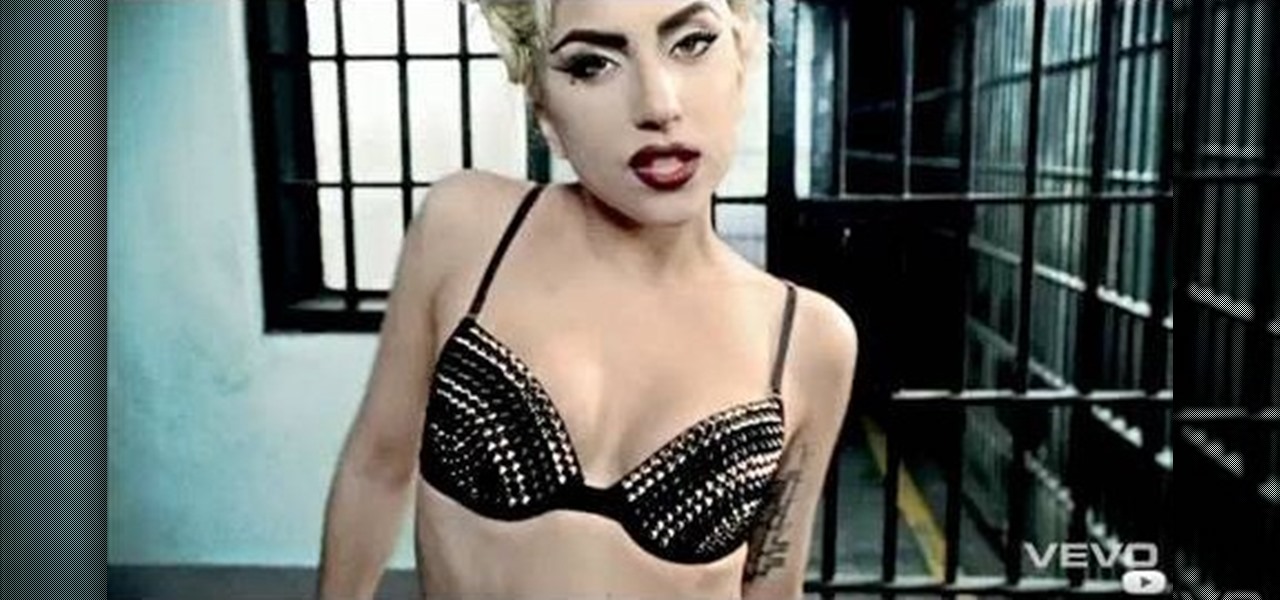
Artists from the pop genre are often scantily clad in music videos and while performing, scantily clad is another word for being underdressed, wearing something that is too cold for the weather. This again shows off their perfect figures and confidence to flaunt their bodies. An example of this is; Lady Gaga - Telephone.

Image result for lady gaga telephone


The last generic convention of the pop genre is the care-free attitude most artists seem to have. This is often shown through parties or songs that are about doing what you want. It shows that the artist is living in a 'perfect' world where they have no worries or problems. An example of this is;
Jessie J - It's My Party. 


Image result for jessie j it's my party#


SFX - Green screen and how it is used efficiently

SFX - Green screen and how it is used efficiently


Green screen works using Chroma key. This is when a single colour, distinctly different to what the person or people are wearing, is made transparent, allowing another image to be placed over it. A green screen is just that, a green screen, but without “Chroma Keying” it is not much use. Chroma Keying is the process by which a specific colour element (chroma) is removed from a video scene and replaced (keyed) with a different element. Essentially it’s the way video producers remove one background and replace it with another. You will have seen hundreds of examples of this in films, such as the kids cycling across the sky in ET, and in TV, as it’s the process used when you see someone presenting the weather in front of a moving map. For us at VirtualStudio.TV this is how we place our presenters within our 3D virtual studios to create Internet Videos and Virtual Events.


Green or blue screens have become the industry colour standard for Chroma Keying since it was invented in the 1940’s. Unlike other bright colours such as Yellow and Red, neither are found within any skin tone and this is very important. For effective Chroma Keying the distinction between what you want to keep (the presenter) and what you want to remove and replace (the green background) has to be made. Therefore using a green or blue screen means there is no chance of the background mixing with the skin tone of the subject. If they did mix the subject's skin would be partly covered by a background as the computer could not distinguish clearly between what to keep and what to remove. There are some more advanced technical reasons why people choose either green or blue screens in their productions.


In Harry Potter, many of the sets and props were real. However, green screen had been used when filming scenes such as quidditch, the train ride and the people in the paintings.


Green screen used correctly:


Thursday, 13 October 2016

Sound (Diegetic/Non-Diegetic)


Sound (Diegetic/Non-Diegetic)


Sound consists of two main forms; diegetic sound which is already present in the film and non-diegetic sound which can be edited in. Sound is absolutely essential in any music video as this is the main reason for why people watch and listen to them, to gain a sense of art via different artists. Sound, like footage can be edited to create different effects and variations to the normal vocals that we hear.

Diegetic sound - Diegetic sound is any sound presented as originated from source within the film's world. Diegetic sound can be either on screen or off screen depending on whatever its source is within the frame or outside the frame. Another term for diegetic sound is actual sound Diegesis is a Greek word for "recounted story".


Non-Diegetic sound - Sound whose source is neither visible on the screen nor has been implied to be present in the action: narrator's commentary. sound effects which is added for the dramatic effect. mood music.


Here's an example of diegetic and non-diegetic sound:


Katy Perry - Part of me


In the music video (documentary) at the start there is diegetic sound which sets the scene, it shows the scene before Katy Perry arrives. We see the narrative develop as she sings up for the marines. There is also a lot of non-diegetic sound of Katy Perry's music being played in the background. At the start of the documentary there is sound effects like a 'sparkling' sound as names and producers are mentioned. There is diegetic sound when she is on stage singing.


Image result for katy perry part of me music video

Editing Techniques


Editing Techniques


Editing is the process that concludes the making of the music video. When you edit, the scenes are cut down, special effects and music can be added to the video. Editing consists of the following things; Jump cutting, CGI effects (the process used for generating animated images by using computer graphics). An example of this is in the music video, Beyoncé - Sweet Dreams; the background has been added on. Additionally, the effects in the second picture have also been generated using computer graphics. Parallel editing, a method of cutting between a couple of scenes or stories that are happening at the same time. Also. adding non-diegetic and diegetic sound is a part of editing.


Camera Movements

Camera Movements


The camera moves to follow the artist or to show the performance of the artist. These movements include panning and tracking. A director may choose to move action a long by telling the story as a series of cuts, going from one shot to another, or they may decide to move the camera with the action. Some examples of camera movements are:

Pans - This is were the camera scans a scene horizontally. The camera is placed on a tripod, which operates as a stationary axis point as the camera is turned, often to follow a moving object which is kept in the middle of the frame.
Image result for panning shot

Dolly/Tracking - This is were the camera is mounted on a cart which travels along tracks for a very smooth movement. Also known as tracking.
Image result for dolly tracking


Camera Angles/Shots

Camera Angles/Shots


Music videos feature a number of camera shots for various reasons, to relate with the audience by expressing thoughts and feelings, but also to show the viewer what is happening. Certain shots that you would normally find in music videos include;


Very wide shot - This is were the artist is shown visible (barley) but the emphasis is still on placing the artist in the location/setting.
Image result for very wide shot


Wide shot - This is were the artist is shown taking up most of the shot but the location/setting is still focused on.
Image result for wide shot


Mid shot - This shows the artist from his/her waist to head, and focuses mainly on the subject but still giving an impression of the location/setting.
Image result for mid shot


Medium close up - This shot is half way between a mid shot and a close up, showing the artist from chest to head.
Image result for medium close up


Close up - This shot shows the artist's face or can show an object that the artist is holding, or something were the camera focuses closely on.
Image result for close up


Extreme close up - This shows the artist's face extremely close, for example eyes, or mouth to identify something it can have the effect of showing the audience the artists thoughts and feelings or even showing a lip sync commonly used in music videos.
Image result for extreme close up


Over the shoulder shot - This is a good shot used, specifically in narrative based music videos usually when the artist is acting and speaking to another person, you tend to see an over the shoulder shot to display the conversation, or to show something the character is looking at.
Image result for low angle shot
Image result for over the shoulder shot


Cut in - This shot can be used in music videos to show something that the lyrics might be saying, for example,  "I will shoot you with my gun" and a gun is shown. This shot is only shown very quickly, this relates to the subject or narrative.
Image result for cut in shot


These shots are the basic shots you'd expect to see in most music videos, however there can be some more creative ways of displaying a scene through different camera angles.


Camera Angles

The way the camera is positioned determines the angle of the shot. There are many different camera angles used in the production of music videos to convey different images. Examples of camera angles are;


Eye level - This is a very common view being the real world angle that we are all use to seeing, it shows subjects as we would expect to see them in real life.
Image result for eye level angle


High angle - This is were the camera shows the subject from above, and the camera is angled down towards the subject, which has the effect of making them appear less powerful, less significant and or even submissive.
Image result for high angle shot

Low angle - the effect of the low-angle shot is that it makes the subject look strong and powerful.
Image result for low angle shot

Bird's eye - This angle is showing the subject/scene from directly above, and its completely different and can be from an unnatural point of view which can be used to add a dramatic effect or showing a different spatial perspective. It can also show the positions and motions of different characters and objects, enabling the viewer to see things the character might not see.
Image result for birds eye view shot


Slanted - This is when the camera is slanted, also known as a Dutch angle were the camera is purposely tilted to one side so the horizon is on an angle, this is creative in making interesting, dramatic effects. Dutch tilts are also popular in MTV-style video production, where unusual angles and lots of camera movement play a big part.
Image result for slanted shot


Camera angles play a huge part in emphasising the artist or to show emotions and expressions. Other camera angles that are simply the most common in music videos, are close ups, showing the artist lip syncing, and extreme close ups were lyrics can be linked to visuals. The camera never stays on one shot for longer than 3-5 seconds.


4) How did you use media technologies in the construction and research, planning and evaluation stages?

Research While researching for my music video production and ancillary tasks I used many different search engines. Google or Safari  was...